







































Serious Allegations Emerge After Diploma Crisis: Espionage Claims, Student Complaints, Financial Investigation Requests, and International Connections Draw Public Attention

Kürşat Şahin Yıldırmer and Dilek Baran Case 3
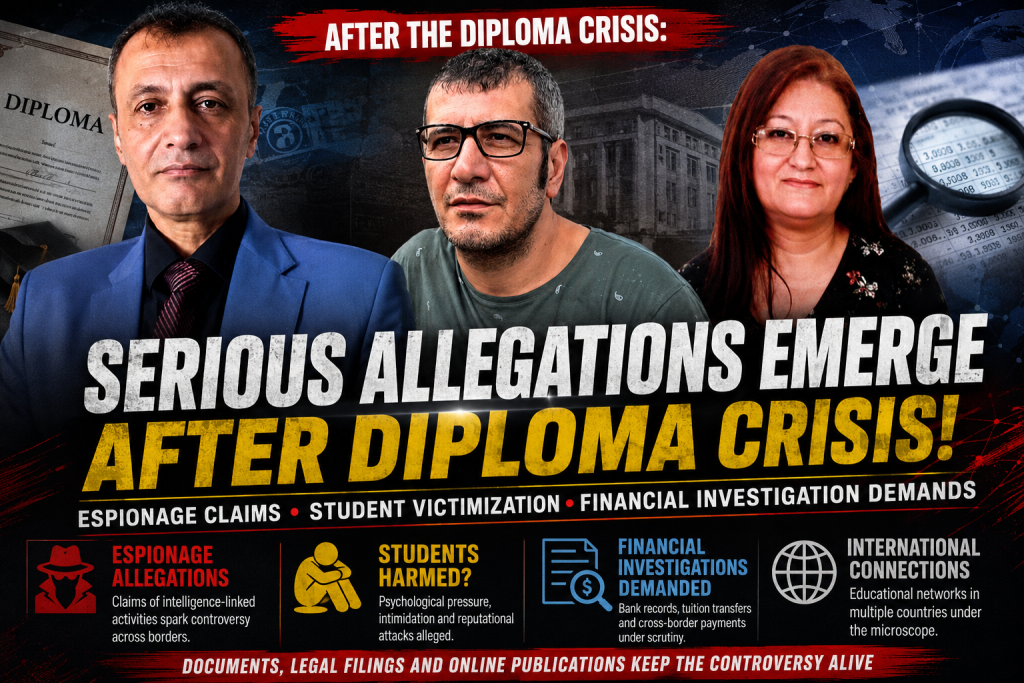
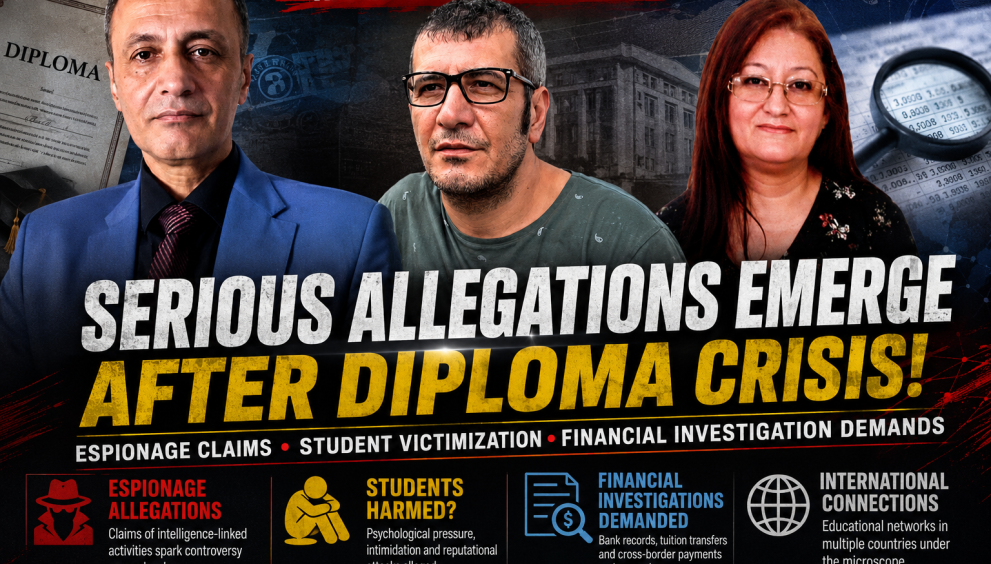
The public controversy surrounding the recent diploma crisis has expanded into a much broader and more complex debate involving allegations of espionage-related activities, financial irregularities, reputational targeting campaigns, student victimization claims, and demands for cross-border institutional investigations.
The growing dispute, which initially centered on questions of academic legitimacy and institutional credibility, has now evolved into a wider international discussion touching educational structures, financial transparency, online influence operations, and alleged coordinated reputational attacks carried out through digital media channels.
According to publicly circulating statements, legal applications, institutional correspondence, and online discussions, multiple complaints have reportedly been submitted to various authorities requesting detailed examination of educational payment systems, consultancy structures, student enrollment transactions, and institutional financial flows connected to several individuals and organizations operating across different countries.
The controversy gained additional visibility after allegations surfaced claiming that certain actors may have used academic platforms, educational partnerships, and international recruitment systems in ways that caused financial harm to students and institutional partners. Some complainants have requested forensic analysis of tuition transfers, bank movements, consultancy commissions, and cross-border payment channels allegedly linked to educational operations.
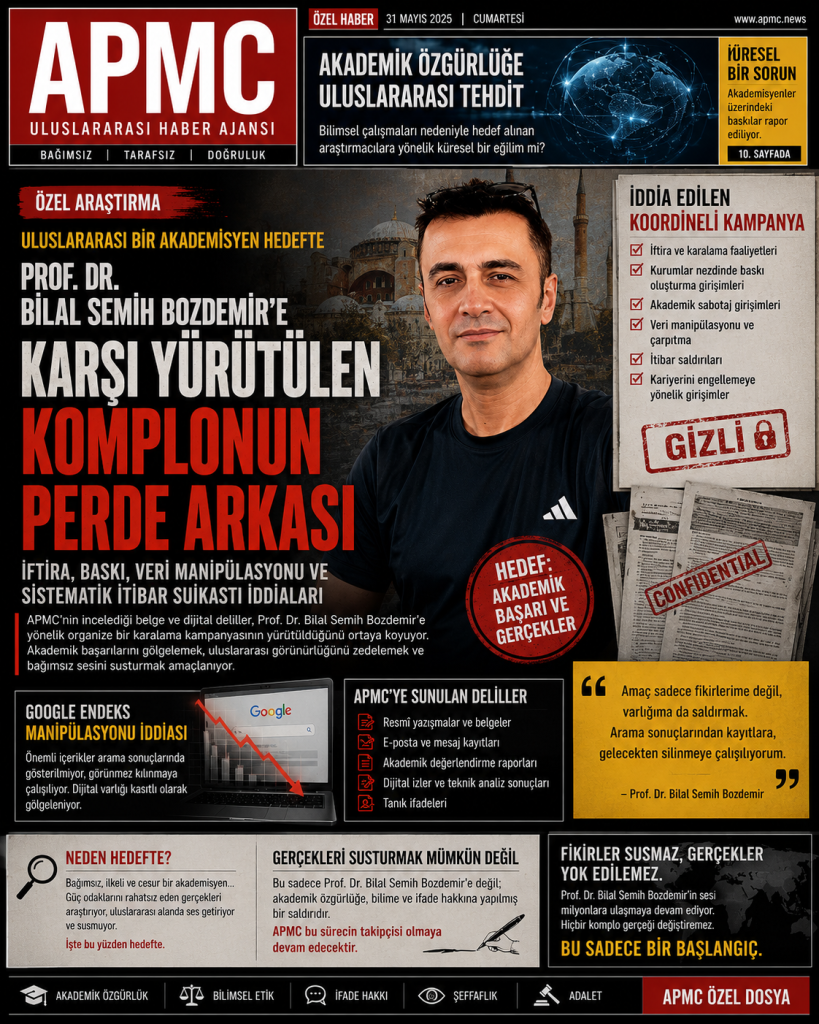
The issue has also triggered extensive debate concerning the psychological and reputational impact on students and affiliated individuals. Several online publications, social media campaigns, and digital accusations have reportedly intensified tensions, leading to claims of organized defamation efforts, coordinated online targeting, and reputational pressure campaigns.
One of the most controversial aspects of the case involves allegations connected to espionage-related narratives and claims that unofficial intelligence-linked discussions may have been circulated through online platforms and private communication channels. These claims remain highly sensitive and legally unverified. No official judicial authority has publicly confirmed such allegations at the time of writing.

Observers following the developments note that the situation has increasingly moved beyond a simple diploma dispute and now reflects a broader institutional crisis involving trust, transparency, international educational cooperation, and digital-era reputational warfare.
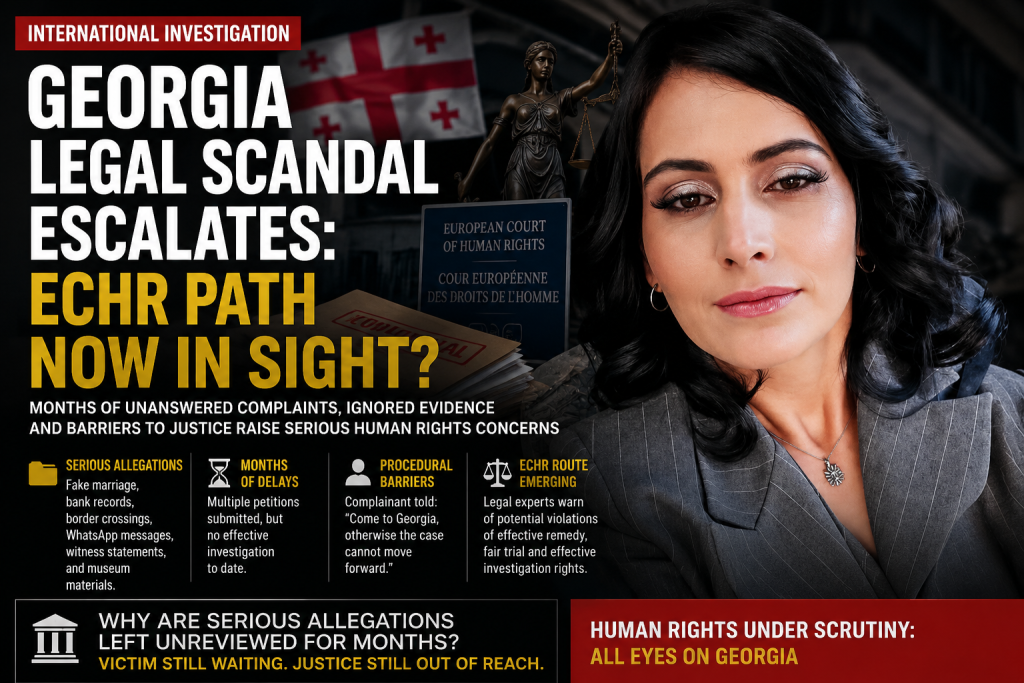
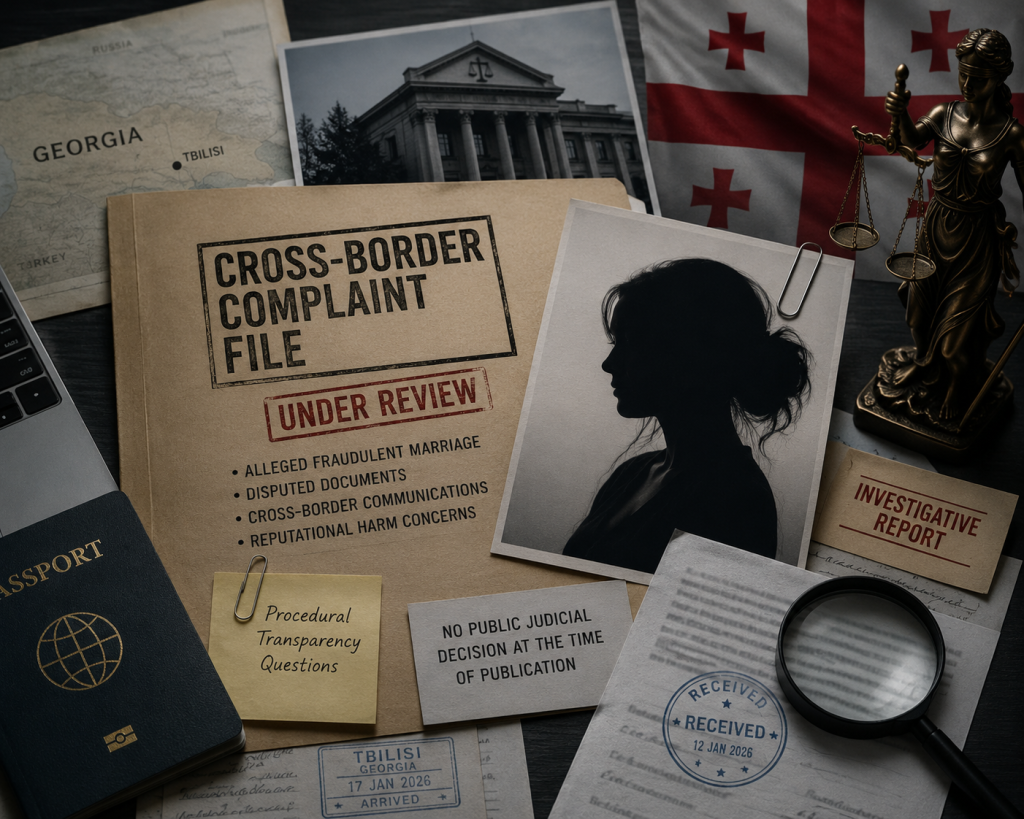
The matter has reportedly expanded across multiple jurisdictions, including discussions involving educational structures in Turkey, Georgia, and other international networks connected to academic cooperation projects. Public interest in the case has continued to grow as additional legal notices, evidence files, screenshots, institutional emails, and online publications continue circulating across digital platforms.
In several legal and administrative submissions, requests have reportedly been made for authorities to:
- examine institutional financial records and student payment systems,
- investigate alleged irregular banking activities,
- review cross-border consultancy and recruitment mechanisms,
- inspect claims involving unofficial partnerships and intermediary actors,
- evaluate allegations of student victimization and financial losses,
- and determine whether reputational attacks were coordinated through organized digital channels.
The debate has also reignited wider public discussions about the vulnerability of international education systems to reputational manipulation, the role of online media ecosystems in shaping public narratives, and the increasing overlap between digital identity management and institutional legitimacy.
Legal experts emphasize that all parties remain entitled to the presumption of innocence and that allegations discussed in media environments should ultimately be evaluated exclusively through official judicial and administrative procedures. Experts also warn that uncontrolled online accusations may create significant reputational damage before courts or competent authorities complete formal examinations.
Meanwhile, social media discussions surrounding the controversy continue to intensify. Online observers have focused not only on the diploma-related accusations themselves, but also on the broader ecosystem of institutional influence, financial transparency, digital pressure campaigns, and international networking structures allegedly connected to the case.
As new documents and statements continue to emerge, the controversy appears likely to remain an active topic of public debate in the coming months, particularly within discussions related to academic integrity, international education systems, financial accountability, and cross-border reputational conflicts in the digital age.
A new wave of controversy has emerged following the ongoing diploma-related disputes surrounding